At a glance
- Describe Kali Puja in its own Shakta devotional context.
- Offerings, access and ritual arrangements vary by community.
- Use current local notices for temple or event visits.
A distinct observance within the season of lights
Kali Puja is dedicated to the goddess Kali and is especially prominent in West Bengal, including Kolkata. It is associated with the new-moon night in the autumn festival period. Shared lights and a nearby date connect it with the wider Diwali season, but its deity, theology and ritual setting should be explained in their own terms.
Calling it simply “Bengal’s Lakshmi Puja” obscures that distinction. Bengali families may also observe Lakshmi worship on other occasions, including Kojagori Lakshmi Puja. The existence of one tradition does not imply the absence of another. Ask which observance a host or community is holding rather than assuming from its location.
Understanding Kali respectfully
Kali’s imagery can be striking to a visitor unfamiliar with it. Devotional stories and symbols explore divine power, the defeat of destructive forces and transformation. They belong within a rich religious tradition and deserve more care than being reduced to a frightening image or a decorative Halloween-like comparison.
The Incredible India cultural overview describes Kali Puja’s goddess-centred setting and associated legends. When retelling those stories, introduce them as sacred narratives. Do not insist that one short online version captures every temple’s interpretation or the full meaning of the goddess.
Home, neighbourhood and temple settings
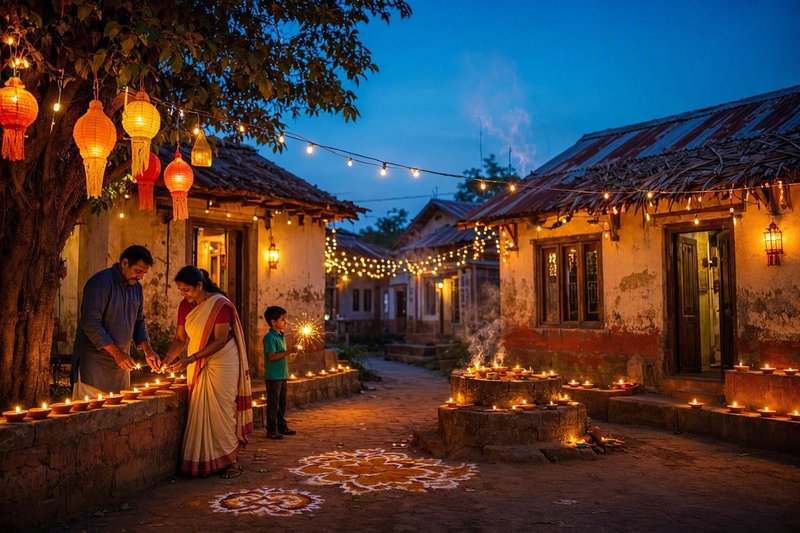
A home puja may be intimate and guided by family memory. A neighbourhood celebration can involve a temporary worship space, collective preparation, decorations and many visitors. A temple follows its own established arrangements. These settings may share devotion to Kali while differing in scale, sequence and access.
For someone attending for the first time, the most useful information is practical: where to enter, whether shoes should be removed, which areas are reserved for worship, where guests can sit and when food is distributed. Follow the organisers’ guidance and leave room for people who have come specifically to pray.
Offerings depend on the tradition
Flowers, lamps, sweets and prepared food may form part of the offerings, with red hibiscus commonly associated with Kali worship. Food customs differ among temples and households; some traditions use entirely vegetarian offerings, while others follow different practices. Do not treat one menu as a rule for all Kali Puja.
| If you are contributing | Ask first |
|---|---|
| Flowers or devotional materials | Which items are wanted, and where should they be delivered? |
| A cooked dish | What ingredients and preparation requirements does this puja follow? |
| Sweets or fruit | How much is useful, and are labels or packaging needed? |
| Money or volunteer time | What is the organiser’s official contribution process? |
| Photography or documentation | Which moments and spaces may be photographed? |
A coordinated contribution is more helpful than an unsolicited large delivery. Respect the distinction between food prepared for an offering, prasad after worship and other refreshments served to visitors. If you have dietary restrictions, ask politely rather than assuming you must eat everything offered.
Visiting with children or older relatives
Explain the setting before arrival. Tell children that people may be praying, that images carry religious meaning and that they should ask before touching objects. Choose a shorter visit if a long evening, crowd or loud sound would make participation difficult.
For an older relative, check seating, walking distance and access before leaving. A quieter visit at a time advised by the organisers may be more comfortable than arriving at the busiest moment. Avoid promising a specific crowd level based on a previous year’s photographs.
Hosting a smaller family observance
If Kali Puja belongs to your household’s tradition, prepare with the guidance of an elder, priest or temple familiar with that practice. Decide what can be cooked ahead, which materials are actually used and who will supervise the space. A generic Lakshmi-Ganesha checklist should not silently replace a different ritual.
Keep lamps on stable surfaces and away from cloth or paper decorations. Make the gathering comfortable for people sensitive to smoke, and ensure guests can enter and leave without stepping around food or flames. Practical care supports a devotional evening by allowing attention to remain on the worship.
Check current arrangements separately
Kolkata’s Kalighat and Dakshineswar are well-known places associated with Kali worship, but a cultural introduction does not establish their current opening hours, access rules or festival programmes. Use the relevant temple or organiser’s current notice for a planned visit. The same applies to neighbourhood pandals and community events elsewhere.
For the year’s main festival date, refer to the 2026 date guide and an appropriate local calendar. This cultural guide does not prescribe a universal midnight ritual or visiting time. If the event continues late, arrange transport and a meeting point before entering a crowded area.
Keep the description accurate afterward
When sharing the experience, identify it as Kali Puja and name the community or place if known. Ask permission before posting identifiable photographs of a private family ritual. A caption that explains the occasion and what you learned gives the image more value than treating worship as a spectacle.
For a wider comparison, read regional Diwali traditions or the stories associated with the season.
Frequently asked questions
Is Kali Puja another name for Lakshmi Puja?
No. Kali Puja has a distinct goddess-centred Shakta context. The observances may occur within the same festival season, but their meanings and rituals differ.
Are all Kali Puja offerings vegetarian?
Offerings vary by temple, household and devotional tradition. Ask the organisers about the practice they follow before contributing or planning food.
Can visitors attend a community Kali Puja?
Many community celebrations welcome visitors, subject to the organiser’s arrangements. Check access, follow worship-space etiquette and ask before photographing rituals.
Does Kali Puja always require a midnight visit?
Do not assume one universal visiting or ritual time. Follow the current local programme and the tradition of the temple or household involved.
Sources & further reading
Calendar and event information checked 5 November 2026. Recheck local arrangements before attending.