At a glance
- Ask about the actual invitation, timing and household customs.
- Comfortable clothes and a thoughtful small gesture are enough.
- Listen, ask at natural pauses and seek permission for photographs.
Diwali celebrations vary from one family to another. You might be invited to a home puja and dinner, a neighbourhood gathering, a temple programme or a cultural event. Ask which kind of occasion you are joining so you can prepare for the actual invitation.
Four questions to ask your host
- What time should I arrive? The prayer, meal and open-house period may begin at different times.
- Is there anything you would like me to bring? Your host may already have plenty of sweets or prefer help with a particular dish.
- Is there any dress or footwear guidance? Comfortable festive clothing often works well, but places of worship can have specific expectations.
- May I take photographs? Ask separately about the prayer, children and sharing pictures online.
You can also mention allergies or accessibility needs early. Giving the host time to plan is more useful than waiting until the meal is served.
What to wear and bring
Choose clothes that let you sit, stand and move comfortably. You do not have to buy an elaborate outfit for a first invitation. If wearing unfamiliar clothing, check that hems and sleeves stay clear of lamps and serving dishes. Follow the host’s guidance at the entrance about shoes.
A modest gift can be a warm gesture: flowers the host enjoys, a card, a small food item with ingredients identified, or something specifically requested. Check dietary preferences before bringing food. Alcohol is not an automatic choice for a household or religious celebration; ask rather than assume.
Joining a home prayer
When a puja begins, listen to the host’s explanation. You can stand or sit quietly and observe if you are unsure about participating. Ask before touching an altar, offering tray or ritual object. If food is offered afterwards as prasad, you can respectfully mention a dietary restriction and ask what it contains.
It is fine to say, “This is my first time: could you explain what we are doing?” A short question at a natural pause is easier than interrupting a chant. You are a guest in a living tradition, and the household is the best guide to its own practice.
Understand the variety behind the festival
Many Hindu families associate Diwali with Lakshmi worship, Rama’s return, Naraka Chaturdashi or other regional traditions. Jain and Sikh observances around the season have distinct meanings. Avoid summarising a host’s celebration through a story they have not mentioned. The guide to different faith traditions and regional overview give helpful context.
A home with a small lamp and a quiet meal is as capable of offering a meaningful welcome as a large decorated gathering. You do not need to compare what you see with a spectacular photograph or public festival.
At the meal and during visits
Take an initial portion you can comfortably finish, then ask for more. Notice whether the host is serving a full meal or snacks for a stream of visitors. Offer practical help: carrying plates or clearing a surface: while letting the host direct you around a busy kitchen.
If you need to leave before a prayer or meal, tell the host in advance. Thank the people who prepared the celebration, including those working behind the scenes. A brief message the next day mentioning something you enjoyed makes the gratitude personal.
Bring children into the welcome
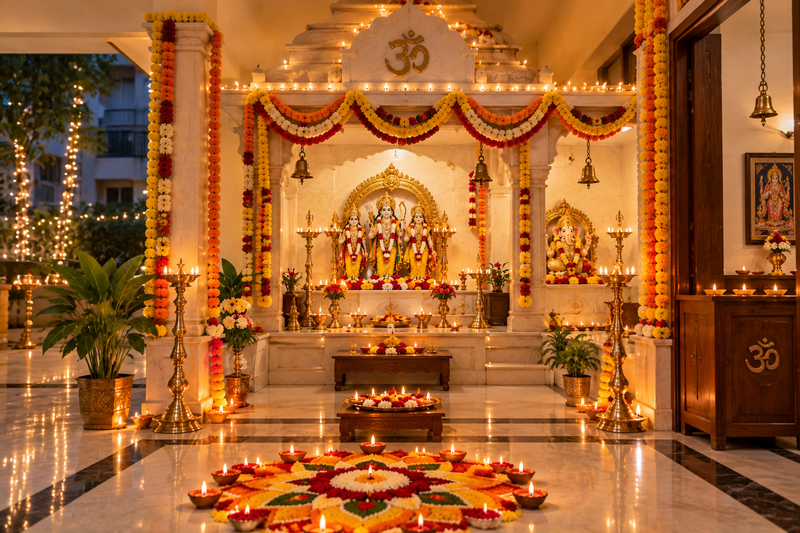
Explain that the lamps, floor art and altar are things to look at carefully rather than play with. Ask whether there is an activity they can join. Keep questions curious and concrete: “How did you make this rangoli?” opens a conversation more naturally than asking a child to explain an entire religion.
A greeting you can use
Happy Diwali! Thank you for welcoming me into your celebration. Wishing your family a joyful festival and a peaceful year ahead.
If your hosts use Deepavali or another specific greeting, follow their wording. A sincere wish and attentive presence will do more than a memorised speech.
Frequently asked questions
Do I have to take part in the religious ritual?
You can ask to observe respectfully. Discuss any questions with the host, and follow the household’s guidance about the prayer space.
Is a gift required?
There is no universal rule. A small thoughtful gesture or an offer to bring something the host needs is often appropriate; ask if you are uncertain.
Can I say Happy Diwali if I do not celebrate it myself?
Yes. A warm greeting is a simple way to wish friends or hosts well. Use the festival name and wording they prefer.