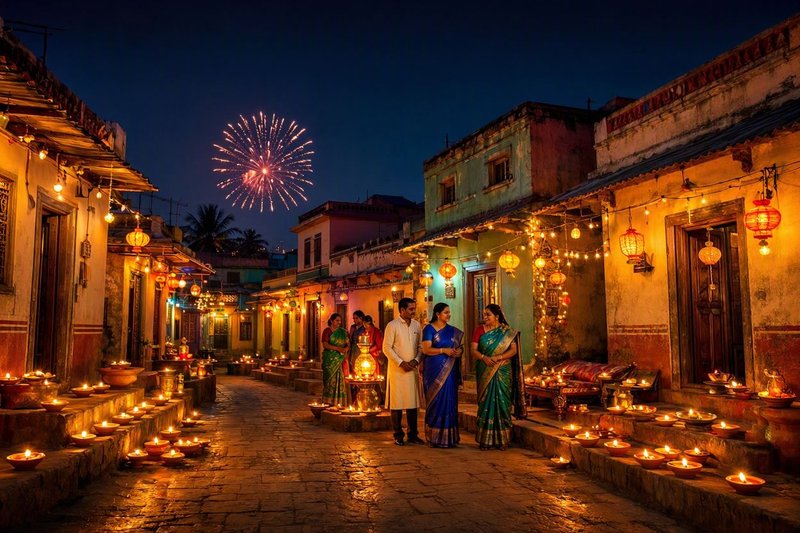
Amavasya is the new moon day, traditionally linked to Lakshmi Puja in various regions of India. Lamps symbolically counter the night’s darkness with hope and welcome.
Meaning and significance
Amavasya is the new moon day, traditionally linked to Lakshmi Puja in various regions of India. Lamps symbolically counter the night’s darkness with hope and welcome.
During Diwali festivities, this topic embodies a broader theme of hospitality, respect, and collective family heritage. Practices vary throughout India, with household rituals spanning from a simple prayer to an elaborate series of offerings.
What this article covers
Examining the spiritual and celestial significance of the lunar month's darkest night, and understanding why calling upon the Goddess of Light during this night invites prosperity.
The tithi is determined by the angular distance between the Sun and Moon, meaning its beginning and ending times do not always align with civil midnight.
Practical guidance for families
- Prepare thoughtfully. Determine which aspects of the tradition your family observes and gather only the materials required for those specific steps.
- Make room for everyone. Establish a welcoming environment and encourage involvement with flowers, music, reading, or silent contemplation.
- Prioritize safety. Place lamps on steady, heat-resistant surfaces and opt for flameless options when open flames are unsuitable.
- Close with gratitude. Distribute prasad or spend time together, and put away materials respectfully after worship.
How the practice fits into Lakshmi Puja
Amavasya is the new moon day, traditionally linked to Lakshmi Puja in various regions of India. Lamps symbolically counter the night’s darkness with hope and welcome. The broader observance commonly includes preparation of the worship space, prayers to Ganesha and Lakshmi, offerings, aarti and time with family. Families may follow the steps in another order or emphasize different deities.
For a detailed puja, follow your usual vidhi or seek guidance from an experienced priest. Do not consider a generic online description as a one-size-fits-all ritual guideline.
Frequently asked questions
Is this custom observed everywhere?
No. Customs vary according to region, tradition, local calendars, and the practices of individual households.
Do I need expensive materials?
No. The majority of families can select meaningful, straightforward offerings and prioritize cleanliness, devotion, and safe preparation.
How do I confirm the correct puja time?
Refer to a Panchang specific to your city and follow your family's religious customs. Lunar calendar dates and muhurat timings may vary depending on the location.