Topic 1: Meaning, timing and altar preparation

Diwali Puja 101: Understanding the Main Event
Lakshmi Puja holds a special place in numerous homes on the Amavasya night of Diwali. Lakshmi represents prosperity and wellbeing, whereas Ganesh...
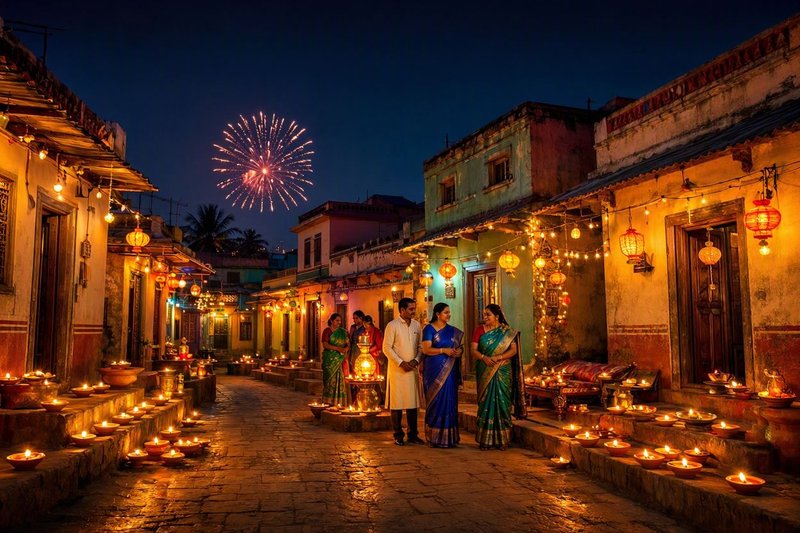
Pradosh Kaal vs. Nishita Kaal: Deciphering the Shubh Muhurat
Pradosh Kaal denotes the time around and shortly after sunset, whereas Nishita Kaal signifies a late-night period. Various traditions favor di…
The Significance of Amavasya Tithi
Amavasya is the new moon day in the lunar calendar, commonly linked with Lakshmi Puja across various regions of India. On this day, lamps are lit symbolically to respond to the da…

Purifying the Home: Vastu and Spiritual Cleansing
Cleaning before Lakshmi Puja serves as both a practical step and a symbolic gesture of hospitality. Rituals such as wiping with salt water or gomutra …

Setting Up the Sacred Altar (Chowki)
A chowki is a small raised platform used for a household altar. Many families place a clean red or yellow cloth on it, arrange deities, and make offerings…
Idol Selection: Brass, Clay, or Silver?
Clay, brass, and silver idols or images are commonly used in various households, typically based on family customs and financial means. Lakshmi depict…
The Direction and Placement of Deities
Many homes display Lakshmi and Ganesha side by side, though the arrangement of their images can differ. In some cases, Saraswati or other deities are also incorporated into the setup.
Preparing the Kalash (Mangal Kumbh)
A kalash is a vessel filled with water that represents sacred presence, prosperity, and auspicious beginnings. It is adorned with leaves, a coconut, a coin, and b…

Fasting Rules for the Main Diwali Day
Some families observe fasting on Diwali, whereas others do not. Traditions vary from eating plain vegetarian meals to following a fruit-only regimen, and a strict …
Decorating the Altar with Flowers and Light
Fresh flowers, lamps, and a neat background adorn the household altar. Marigolds and lotuses are commonly linked to Diwali rituals, but av…
Topic 2: Samagri, offerings and puja essentials
The Ultimate Diwali Puja Samagri Checklist
Puja samagri typically consists of a deity idol, lamp, cotton wicks, oil or ghee, water, rice, roli, flowers, fruits, sweets, and an aarti plate…
How to Arrange the Perfect Puja Thali
A puja thali holds essential offerings conveniently. A small plate can accommodate roli, unbroken rice, flowers, a diya, and sweets without much elaboration…
The Significance and Preparation of Panchamrit
Panchamrit is traditionally made by mixing milk, curd, honey, ghee, and sugar. It serves as a sacred offering and, in certain traditions, is also used for bathing…
Lotus Flowers: Goddess Lakshmi's Favorite Offering
The lotus is intimately linked to Lakshmi and represents purity emerging from murky water. Fresh lotus flowers are a prized offering…
Cowry Shells, Gomti Chakra, and Lotus Seeds (Kamal Gatta)
Cowry shells, gomti chakra, and kamal gatta are considered auspicious by certain families; however, they are not indispensable elements of ever…
Choosing the Right Oil and Wick for the Diyas
In many homes, ghee is used for an altar diya, while sesame or mustard oil is preferred for other lamps based on local traditions.…
Sweets and Naivedya: What to Offer the Gods
Naivedya refers to the food presented reverently to the deity prior to being distributed as prasad. Common offerings include laddoo, kheer, puffed rice, and batasha…
The Role of Paan-Supari in the Puja
Paan and supari are customary hospitality items presented during certain ceremonies, symbolizing a respectful welcome extended to a distinguished guest…
Gold and Silver Coins: Consecrating Wealth
Families frequently set clean coins, jewelry, or account books by the altar as tokens of stewardship and thankfulness.…
Eco-Friendly and DIY Puja Thali Decorations
Hand-decorating a puja thali can turn into a collective family activity by using rice flour designs, dried flowers, and washable cloth.
Topic 3: Step-by-step Lakshmi Puja Vidhi
Step 1: Achamana, Pavitrikaran, and Sankalpa
Achamana and pavitrikaran are customary preliminary rites of purification; sankalpa conveys the resolve for the worship. The precise...
Step 2: Invoking Lord Ganesha (Ganapati Avahan)
Ganesha is often worshipped first as Vighnaharta, the remover of obstacles. In various traditions, flowers, durva grass, and sweets are presented as offerings.…
Step 3: Kalash Sthapana and Varun Puja
Kalash sthapana sets up a ceremonial pot representing good fortune; Varuna, associated with water, might be called upon during the ritual…
Step 4: Goddess Lakshmi Avahan and Swagat
Avahan refers to inviting the deity into the place of worship. In traditional practices, Lakshmi is symbolically welcomed with a seat, water, and flowers.
Step 5: Panchamrit Snan and Shringar
Panchamrit snan involves a ritualistic bathing of the deity with a mixture of five sacred ingredients, followed by adorning the deity with fresh clothes or ornaments as suitable.…
Step 6: Offering Anga Puja and Pushpanjali
Anga puja venerates the sacred form; pushpanjali involves presenting flowers with reverence. The specific procedures vary according to the ritual tradition.…
Step 7: Worshipping Lord Kuber (The Treasurer)
Kubera is linked to the protection of wealth in Hindu traditions and is often worshipped together with Lakshmi during business or household…
Step 8: Bahi-Khata and Chopda Pujan
Chopda Pujan and Bahi-Khata worship are traditional ceremonies that bless account books before the start of the business year, particularly among Gujarati and merchant communities.
Step 9: The Grand Aarti and Camphor Offering
Aarti typically gathers family members around a small lamp or flame, serving as a final gesture of devotion and thankfulness.…
Step 10: Kshama Prarthana (Seeking Forgiveness)
Kshama Prarthana is a concluding plea for pardon regarding any errors or oversights in worship, highlighting humility instead of ritual precision.
Topic 4: Regional and community worship traditions
Kali Puja in West Bengal: The Fierce Midnight Ritual
In Bengal, Kali Puja often takes place on the new-moon night of Diwali, with temple and household rituals varying in scale and intensity.
Chopda Pujan in Gujarat: The Business New Year
Gujarati Chopda Pujan highlights the significance of ethical trade, fortunate beginnings, and systematic bookkeeping in certain business communities…
Kedar Gauri Vrat and South Indian Deepavali Pujas
Kedar Gauri Vrat venerates Shiva and Parvati within some South Indian customs. The Deepavali celebration can also focus on applying oil in the early morning…
Worshipping Goddess Saraswati Alongside Lakshmi
Some families arrange books, pens, or musical instruments near Lakshmi and Ganesha to pay tribute to Saraswati, the goddess linked with knowledge and …
The Marwari Tradition: Massive Dhan Pujan
During Diwali, Marwari merchant families often pay homage to ancestral coins, ledgers, and Lakshmi; the specific customs differ across the community.…
Office and Factory Puja Logistics
Workplace pujas can pay tribute to tools, machinery, and the individuals whose efforts keep a business running. Various industries have their own traditions and rituals to observe these ceremonies.
The Role of the Brahmin Priest vs. DIY Family Pujas
Certain families hire a pandit to perform an official ceremony, whereas others carry out a modest home puja with senior members or a well-known prayer book.…
Traditional Attire for the Puja: Colors and Taboos
Vibrant festive attire is typical, with red, yellow, and gold often preferred in numerous homes. Choices in clothing and the avoidance of specific …
Worshipping the Tulsi Plant on Diwali
Tulsi is highly respected in numerous Hindu households, and during the Diwali season, some families light a lamp beside the plant.…
The Sikh Tradition of Bandi Chhor Divas
Bandi Chhor Divas is a Sikh commemoration associated with Guru Hargobind's release and the freedom of other detained rulers. It often c…
Topic 5: Modern, practical and family pujas
Diaspora Pujas: Navigating Massive Time Zone Differences
A Diwali muhurat applicable in New Delhi does not automatically apply in Seattle, London, or Sydney. The local sunset time and lunar tithi must be considered.…
Digital Pujas and E-Darshan
Remote darshan and livestreamed aarti enable families to stay connected with temples and loved ones, even when traveling is challenging.…
What to Do with the Puja Samagri After Diwali
After puja, flowers, ash, packaging, and offerings must be managed with respect and in accordance with local environmental regulations.…
Maintaining the Akhand Jyot Overnight
Certain families maintain an akhand jyot as a representation of unbroken devotion throughout the night.…
Creating an Apartment-Friendly Puja Altar
A small apartment altar can be set up on a shelf or a solid table using a picture, flowers, and a small lamp.…
Common Mistakes to Avoid During Lakshmi Puja
Numerous compilations of puja errors mix authentic ritual instructions with regional traditions and online myths. Customs vary among different lineages.…
The Tradition of Playing Cards Post-Puja
Playing card games after puja is a social tradition in certain families, commonly linked with celebration and merriment during Diwali night.…
Involving Children in the Puja Rituals
Children can join in by arranging flowers, offering sweets, and hearing the stories that explain the rituals.…
The Day After: Govardhan Puja Preparations
Govardhan Puja, also known as Annakut, takes place after Lakshmi Puja in various regional calendars and celebrates Krishna by offering food and holding communal festivities.
Preserving Consecrated Items for the Year
Certain households keep blessed cowries, coins, seeds, or similar objects wrapped in a clean cloth until the following festive season.…