11
OCT 11, 2026
Sharad Navratri begins
Nine nights of devotion to Maa Durga begin with Ghatasthapana. Explore the nine forms, fasting customs and celebrations.
🕰 Ghatasthapana: 6:19–10:12 AM
Explore the festival →
Sunday, November 8. Puja times, festival dates, and heartfelt wishes in one place.
From the nine nights of Navratri to the glowing ghats of Dev Deepawali, discover the dates, meaningful rituals and beautiful ways to celebrate. Find your local Lakshmi Puja Muhurat, prepare for worship and share warm greetings in many languages.
दीयों की रोशनी, अपनों का प्यार और समृद्धि का आशीर्वाद आपके जीवन को प्रकाशित करे। शुभ दीपावली!
November 2026 • Sunday
Diwali & Lakshmi Puja · Local timings vary


Festival calendar · October to November
From Shardiya Navratri and Dussehra to Karwa Chauth, the five-day Diwali cycle and Kartik Purnima, follow the celebrations in order. Dates and listed times are New Delhi references (IST), except the Varanasi Dev Deepawali entry.
Nine nights of devotion to Maa Durga begin with Ghatasthapana. Explore the nine forms, fasting customs and celebrations.
Celebrate the triumph of dharma through Ramleela, Ravana Dahan and Durga Visarjan traditions.

A day of prayer, family customs and moon-viewing, observed according to personal and regional tradition.

Welcome the Diwali days with Dhanvantari worship, a lamp for Yama and thoughtful preparations for the home.
Regional practices of purification and protection precede the main Diwali evening; customs differ from Naraka Chaturdashi.
Light diyas, welcome guests and offer Lakshmi–Ganesha Puja during your city’s appropriate evening window.

Remember Krishna’s protection of Braj; celebrate gratitude for the land and share the Annakut offering.

A tilak, a blessing and time together honor the affection and support shared between siblings.
Family observances honor Surya and Chhathi Maiya with disciplined fasting and offerings at the water’s edge.
Kartik Purnima illuminates the ghats with deep daan and Ganga Aarti; a second, distinct festival of lights.

Lakshmi-Ganesha puja · Sunday, 8 November
The auspicious evening window is determined for the place of worship using local sunset and Panchang conditions. It is not a timezone conversion of the New Delhi time.
Many households look for the overlap of Pradosh Kaal, Amavasya Tithi and Vrishabha Lagna for the principal Lakshmi Puja. Regional practices can use different windows and sequences.

For exact sunrise, tithi boundaries and festival observance outside India, consult a regional Panchang.
Note: Times are 2026 reference values reproduced from your supplied Diwali page. They should be reconfirmed with the linked Panchang or your priest before a time-sensitive Puja.
At home and with community
Whether your style is traditional, contemporary or delightfully handmade, celebrate in ways that feel welcoming, meaningful and practical.
Swipe to discover all decorating ideas

Welcome guests with patterns, flower petals and glowing diyas at the doorway.
Explore ideas →
Blend earthen diyas with warm, layered lighting for homes, balconies and patios.
Explore ideas →
Create a storytelling display with kolu steps, dolls, themed scenes and daily offerings.
Explore ideas →
Seek inspiration from decorated markets, arches and festive streetscapes.
Explore ideas →
Plan the mithai table: laddoo, barfi, regional favorites and savory snacks.
Explore ideas →
Celebrate warmly with reusable décor, safe lamps and quieter choices.
Explore ideas →Thoughtful gifting · hosting · recipes
The best Diwali gift matches the recipient, the occasion and the care behind it. Explore sweets, personal gifts, host ideas, return gifts and gestures of generosity.

From classic mithai and dry fruits to handmade items, home décor and gifts that support local makers.
Explore the gift guide →Swipe through gifting ideas
Personal, useful gifts and memorable shared experiences.
Considerate presents for teams, clients and colleagues.
Share barfi, laddoo and regional festive treats.
Creative kits, books and joyful small surprises.
Plants, flowers and handcrafted items with heart.
Volunteer, donate or support a local community initiative.
Complete home worship guide
A respectful, family-friendly sequence to help you prepare, understand the meaning of each offering, and perform Puja with attention. Customs and mantras vary by sampradaya, region and household.
Many families worship Shri Ganesha and Maa Lakshmi together on Diwali, asking for wisdom, well-being and prosperity used with care. Keep the ritual simple if you are new to Puja; sincerity matters more than an elaborate arrangement.

The worship sequence
Clean the worship area, lay a fresh cloth over a stable chowki, and arrange the murti or image of Maa Lakshmi and Shri Ganesha. Keep a safely placed diya and offerings ready.
Wash your hands, sit comfortably, take a quiet moment and state your intention: gratitude, wisdom, health and the welfare of all. A short prayer in your own language is appropriate.
Offer a flower and pray to Lord Ganesha for clarity and the removal of obstacles. The simple mantra “ॐ गं गणपतये नमः” may be recited.
Some families set a water-filled kalash with leaves and a coconut as a symbol of auspiciousness and abundance. Follow your household custom for its arrangement.
Invoke Maa Lakshmi respectfully with folded hands, flowers and a gentle prayer. If using delicate or painted idols, avoid pouring liquids directly onto them.
Present sandal paste or kumkum, akshata and fresh blossoms as appropriate for the deity and tradition. Each offering expresses care and reverence.
Light incense or dhoop only where safe and ventilated, then offer a diya. Let its light symbolize the removal of ignorance, fear and harshness.
Offer fruit, mithai, homemade food or other satvik offerings suitable to your tradition, with a small cup of drinking water. Keep the offerings clean and covered.
Chant “ॐ श्रीं महालक्ष्म्यै नमः”, read a family prayer, or recite Shri Sukta where customary. If Sanskrit is unfamiliar, a sincere prayer in your mother tongue is welcome.
Offer the aarti light respectfully, sing the traditional aarti or a familiar devotional verse, and pray for insight, compassion and prosperity.
Bow in gratitude, offer namaskar to elders, share prasad with everyone present and include neighbors or those celebrating alone when possible.
Safely extinguish or monitor diyas, keep the puja space tidy and carry forward the spirit of generosity. A simple donation or act of service makes the celebration meaningful.
Some traditions use sixteen formal forms of hospitality to the deity, including avahana, asana, achamana, snana, vastra, gandha, pushpa, dhoop, deep and naivedya. For full Vedic or temple-style observances, use a trusted family Puja book or seek guidance from a qualified priest. The 12-step overview above is a beginner-friendly home guide, not a substitute for lineage-specific directions.
Many families perform a simple home Puja themselves. Use familiar prayers, make offerings respectfully and be mindful of local Muhurat. A priest can help when a specialized rite, business account book ceremony or formal havan is planned.
Use the local Panchang where the Puja is happening rather than simply converting an Indian clock time. Keep the observance practical for your space, family and fire-safety rules. Traditions may vary from city to city.
Celebrate across India
Different cities bring different rituals, foods and stories to the festive season. These are inspiring places to explore; check local event schedules, crowds and travel guidance before planning a visit.
Swipe to explore cities

Deepotsav traditions and the Ramayana connection make Ayodhya a powerful place to experience the spirit of lamps.
Explore the celebration →
Experience the ghats, Ganga Aarti and the distinct Dev Deepawali celebration on Kartik Purnima.
Explore the celebration →
Decorated markets and heritage streets offer a colorful backdrop for a festive evening.
Explore the celebration →
Explore festive bazaars, seasonal sweets and illuminated shopping districts in the capital.
Explore the celebration →
The Golden Temple and Bandi Chhor Divas traditions offer a distinctive Sikh observance alongside the Diwali season.
Explore the celebration →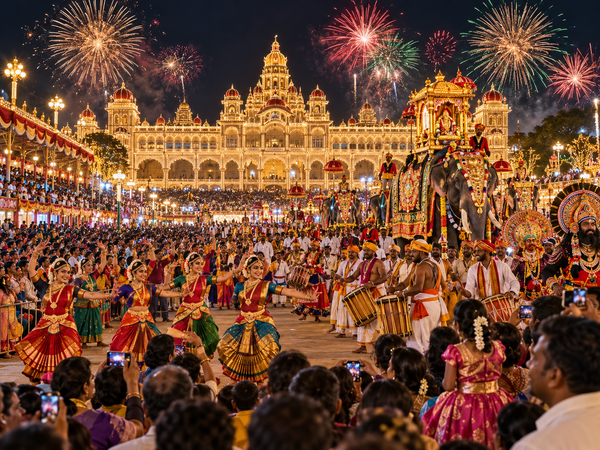
A jewel of the wider festive season, renowned for Dasara processions and palace illuminations in October.
Explore the celebration →Share the light
Send a heartfelt message to parents, grandparents, friends, colleagues or neighbors. Copy the sample below or explore festive cards and dedicated multilingual galleries.
Choose a language to see and copy a heartfelt greeting.
Wishing you and your family a Diwali filled with light, peace, good health and beautiful new beginnings. Happy Diwali! 🪔
Pictures to share and save
Browse visual collections for mobile, desktop and sharing. The previews below draw from your supplied festival imagery; use each collection page for available sizes and formats.
Swipe to browse wallpapers

A festival-inspired collection of traditional Golu storytelling scenes.

Colorful Vijayadashami artwork for festive greetings and screens.

Warm ambient lighting ideas and glowing festive scenes.
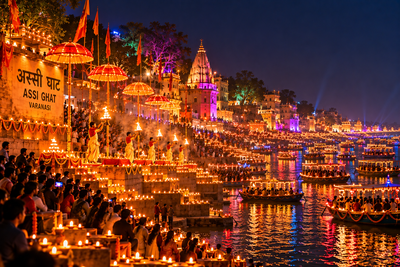
Lamps, riverfront aarti and the beauty of Kartik Purnima.
Beyond the decorations
One festival season, many ways of understanding light. Discover stories that connect the celebrations across generations and communities.
Swipe for more stories
Explore the story often associated with Diwali in North India and the enduring value of dharma.
Read the story →See how Puja connects prosperity with wisdom, generosity and thoughtful living.
Read the story →Learn about Kali Puja in Bengal, southern customs and the Jain and Sikh meanings of this season.
Read the story →Enjoy performances, stories and celebratory customs from the days of Dussehra.
Read the story →Questions people ask
Dates, customs and muhurats can change with location. Here are the essentials for planning with clarity.
In New Delhi, Diwali and Lakshmi Puja fall on Sunday, November 8, 2026. The precise Puja Muhurat varies by location and local Panchang.
Dhanteras is November 6, Kali Chaudas November 7, Diwali November 8, Govardhan Puja November 10, and Bhai Dooj November 11 in the New Delhi reference calendar. Some regional observances differ.
For New Delhi in 2026, Govardhan Puja is observed on Tuesday, November 10. The Pratipada Tithi begins on November 9; a tithi start date is not automatically the festival observance date.
No. The evening muhurat depends on local sunset, Pradosh Kaal, Amavasya and often Vrishabha Lagna. Check the location-specific time for the place of worship.
Prepare a clean puja space, gather offerings, make a sankalpa, offer Ganesha prayers, honor Maa Lakshmi with flowers, diya, naivedya and mantra or aarti, then share prasad. Follow your family or temple tradition for detailed rites.
Diwali is celebrated around Amavasya. Dev Deepawali takes place on Kartik Purnima, and the Varanasi celebration is especially associated with deep daan along the River Ganga.